Why Businesses Worldwide Source Products from India
Global businesses source products from India for competitive pricing, specialized manufacturing, skilled craftsmanship, product diversity and export capability. This guide explains the opportunities, risks and practical steps buyers should consider before sourcing from Indian manufacturers.
Global businesses continually evaluate sourcing markets for the best balance of price, quality, production capability, reliability and product variety. India has become an important option for importers, wholesalers, distributors, retailers and private-label brands because it combines a large manufacturing base with regional specialisation and long-established craft knowledge.
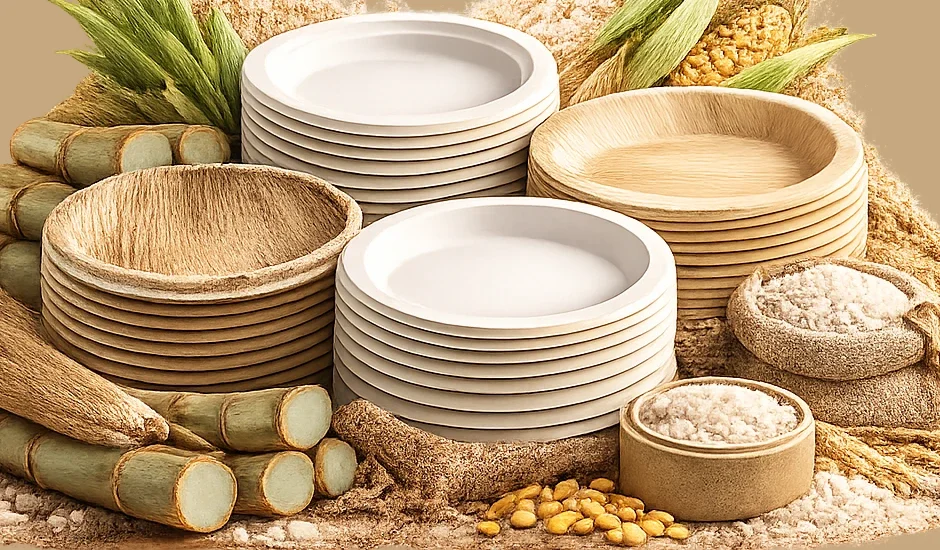
Businesses source products from India across textiles, apparel, leather, engineering goods, pharmaceuticals, electronics, food products, agricultural commodities, ceramics, home furnishings and eco-friendly disposables. The commercial opportunity, however, is not simply lower pricing. Successful sourcing depends on choosing the right manufacturing cluster, defining specifications, approving samples, inspecting production and planning the complete landed cost.
Why Global Buyers Consider Product Sourcing from India
Competitive Economics
Category-specific advantages in labour, materials, manufacturing clusters and production scale.
Production Capability
Supplier options ranging from specialist MSMEs to large export-oriented manufacturers.
Craft and Customisation
Private labelling, material selection, custom colours, finishes and packaging.
Export Support
Access to inspections, freight forwarding, documentation and customs coordination.
Competitive Pricing Must Be Measured as Total Landed Cost
Competitive factory pricing is one of the main reasons businesses explore product sourcing from India, particularly in labour-intensive, material-rich and cluster-based industries. However, the quoted factory price is only one part of the final cost of an imported product.
Professional buyers should compare the total landed cost—the complete amount required to manufacture, inspect, transport, clear and deliver the product to the buyer’s warehouse. A supplier with the lowest unit price may not provide the lowest final cost after packaging, inland transportation, freight, duties, insurance and quality-related expenses are included.
The final commercial advantage depends on the product category, order quantity, specifications, factory location, destination country and selected shipping method. Buyers should therefore request transparent quotations and compare all major cost components before approving a supplier.
What Buyers Should Include in the Landed-Cost Calculation
A professional supplier comparison should show every major cost required to move a compliant product from the factory to the buyer’s warehouse. The table below separates the quotation details from their commercial impact.
| Cost Component | What the Buyer Should Confirm | Why It Matters |
|---|---|---|
|
01
Product Price
|
Confirm Unit rate, minimum order quantity, quantity discounts, tooling, customisation charges and payment terms |
Commercial Impact Establishes the factory-level cost used as the starting point for the landed-cost calculation |
|
02
Packaging
|
Confirm Inner packs, export cartons, palletisation, labels, retail packaging, carton dimensions and packing quantities |
Commercial Impact Affects transit safety, freight utilisation, warehouse handling and retail readiness |
|
03
Quality Control
|
Confirm Sample approval, inspection scope, defect limits, testing, reinspection and corrective-action responsibilities |
Commercial Impact Reduces the likelihood of rejected shipments, returns, replacements and customer complaints |
|
04
Domestic Transportation
|
Confirm Factory-to-port distance, pickup, consolidation, handling, warehousing and terminal charges |
Commercial Impact Inland movement can materially increase the final cost, particularly when factories are located far from the port |
|
05
International Freight
|
Confirm Air or sea mode, freight route, container utilisation, fuel surcharges, cargo insurance and transit time |
Commercial Impact Freight often determines whether a low-margin order remains commercially viable |
|
06
Destination Costs
|
Confirm Customs duties, taxes, brokerage, port charges, storage, inspections and last-mile delivery |
Commercial Impact Completes the true warehouse-delivered cost and reveals the actual margin available to the buyer |
Do not ask only, “Which supplier has the lowest unit price?” Ask, “Which compliant supplier gives us the best delivered cost and repeat-order reliability?”
Specialised Manufacturing Clusters Improve Supplier Discovery
India contains regional manufacturing clusters where suppliers, raw-material networks, skilled workers, service providers and logistics partners are concentrated around particular industries.
Selecting the correct cluster can provide buyers with deeper supplier choice, more relevant production expertise and better access to supporting vendors.
- Textiles and garments
- Leather and footwear
- Ceramics and tiles
- Electronics
- Pharmaceuticals
- Engineering products
Skilled Craftsmanship Supports Differentiated Products
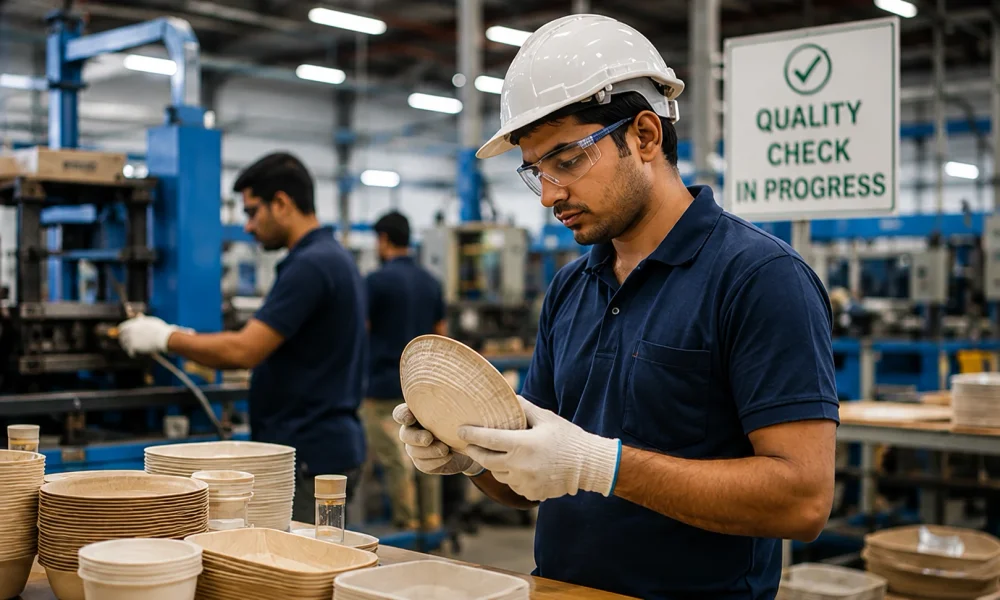
India’s sourcing value is not limited to mass production. Many industries combine modern machinery with craft knowledge developed over generations. This is especially visible in textiles, embroidery, rugs, leather products, furniture, home décor, ceramics and natural-fibre products.
Buyers may also find manufacturers that support private labelling, logo application, custom colours, finishes, packaging development and product bundling.
Buyers should still approve reference samples and define material, colour, dimensions, tolerances, performance and packaging before bulk production begins.
Examples of Products Businesses Source from India
India’s manufacturing ecosystem covers a wide range of product categories. Each category requires its own technical specifications, inspection criteria and packaging standards before a buyer approves bulk production.
| Product Category | Example Products | Important Buying Specifications |
|---|---|---|
|
01
Garments and Textiles
|
Products T-shirts, socks, uniforms, bedding, curtains and towels |
Specifications Fabric composition, GSM, sizing, stitching, colourfastness, shrinkage tolerance and export packing |
|
02
Eco-Friendly Disposables
|
Products Bagasse plates, areca plates, bowls, trays and food containers |
Specifications Dimensions, thickness, heat resistance, food-contact requirements, moisture tolerance and carton strength |
|
03
Leather and Footwear
|
Products Shoes, bags, belts, wallets and fashion accessories |
Specifications Material grade, finish, sizing, construction, hardware quality, colour consistency and testing requirements |
|
04
Home and Commercial Goods
|
Products Tiles, stationery, cleaning products and hospitality supplies |
Specifications Material standards, dimensions, performance criteria, labels, safety instructions and shipment protection |
|
05
Food and Agriculture
|
Products Fruits, vegetables, spices and processed food products |
Specifications Grade, shelf life, packaging, storage temperature, cold-chain needs, certificates and destination-country documentation |
India Offers Broad Product Diversity
A major advantage of sourcing from India is the breadth of categories available within one national supply market. Procurement teams can build relationships across apparel, foodservice products, leather, home goods, commercial supplies and agricultural categories.
Buyers can apply a consistent framework for supplier verification, sample approval, inspection, documentation and international shipment planning across several product categories.

MOQ, Samples and Private-Label Flexibility
Indian manufacturers serve a wide range of customers, from emerging brands testing a new product to established distributors ordering full containers. Depending on the supplier and category, buyers may be able to request samples, pilot quantities, mixed SKUs, custom branding, retail packaging or long-term supply arrangements.
- Sample orders
- Pilot production
- Low or moderate MOQs
- Volume-based pricing
- Private labelling
- Custom packaging
- Mixed product variants
- Long-term supply agreements
Questions to Ask Before Requesting a Final Quotation
- What is the MOQ per product, colour and size?
- Can several SKUs be combined?
- What is the sample approval process?
- What customisation is available?
- What is the production lead time?
- What happens if the inspection fails?
A Structured Product-Sourcing Process
- DefineConfirm product, specifications, quantity and destination.
- ShortlistIdentify relevant manufacturers and clusters.
- VerifyCheck legal identity, capacity and export readiness.
- SampleReview the product and packaging before production.
- ProduceManufacture against approved specifications.
- InspectCheck quality, quantity, labels and packaging.
- ShipCoordinate freight, customs and final delivery.
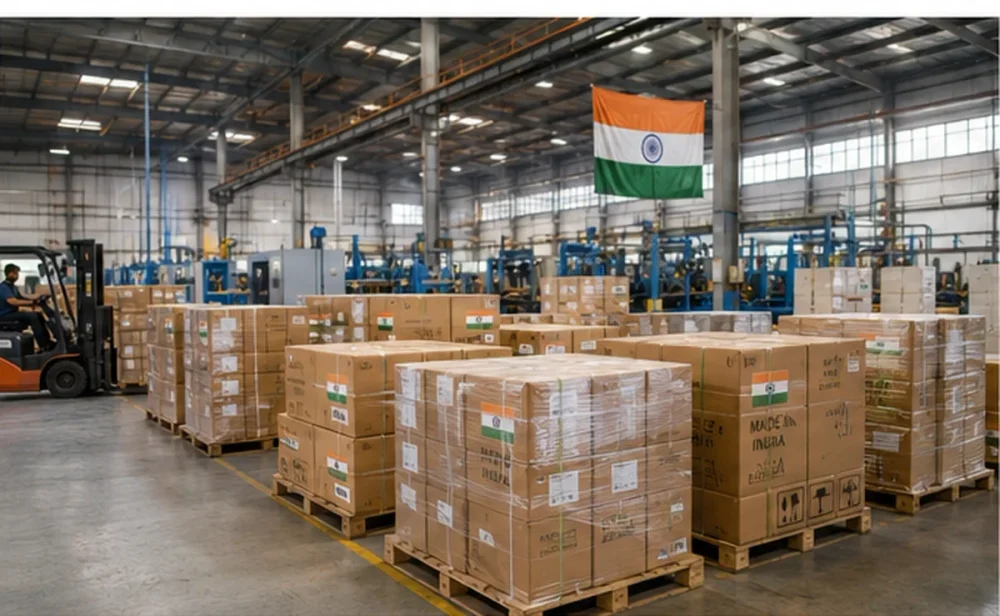
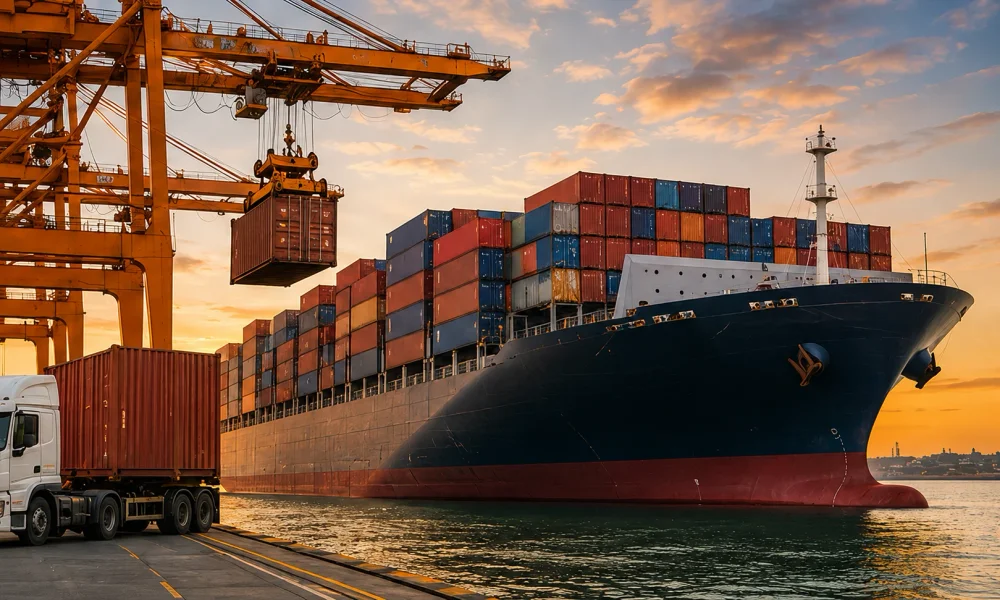
Export Infrastructure Matters After the Factory Is Selected
International sourcing does not end at production. The order must be packed, documented, transported, cleared and delivered. A strong sourcing plan connects product decisions with logistics decisions from the beginning.
- Factory pickup
- Inland transportation
- Export packaging
- Commercial invoice
- Packing list
- Customs documents
- Freight forwarding
- Insurance
- Destination customs
- Last-mile delivery
Common Sourcing Risks and Practical Controls
International sourcing becomes more predictable when every major risk is matched with a practical control and documented evidence. Use the following framework before approving production or shipment.
| Sourcing Risk | Practical Control | Evidence to Retain |
|---|---|---|
|
01
Supplier is a trader instead of the manufacturer
|
Control Verify the factory address, machinery, workforce and active production. |
Evidence Registration documents, factory photographs, videos and verification report. |
|
02
Bulk production differs from the approved sample
|
Control Use an approved reference sample and a detailed written specification. |
Evidence Golden sample, signed specification and approved change records. |
|
03
Inconsistent quality within the shipment
|
Control Define defect categories and arrange a pre-shipment inspection. |
Evidence Inspection report, defect photographs and corrective-action record. |
|
04
Packaging fails during international transit
|
Control Approve export-carton specifications, inner packing and loading method. |
Evidence Packaging approval, carton markings and container-loading photographs. |
|
05
Unexpected landed cost reduces the buyer’s margin
|
Control Confirm Incoterms, freight inclusions, duties and destination charges. |
Evidence Commercial quotation, freight quotation and landed-cost calculation. |
|
06
Production or shipment is delayed
|
Control Set milestone dates, request progress updates and allow scheduling buffer. |
Evidence Production plan, inspection booking and confirmed shipping schedule. |
How Costita Simplifies Product Sourcing from India
Product Shortlisting
Identify products and manufacturers matching buyer requirements.
Supplier Coordination
Clarify MOQ, specifications, lead time and quotations.
Samples and Approvals
Review product quality before committing to bulk production.
Quality Inspection
Check quantity, quality, labels and packaging before dispatch.
Payments and Logistics
Coordinate payment structure, freight and shipping terms.
Buyer Protection
Support issue resolution and shipment protection.
Learn more about Costita’s Buyer Protection process and payments and shipping support.
India’s Advantage Is Strongest When Sourcing Is Structured
Businesses worldwide source products from India because the country combines category-specific cost opportunities, specialised manufacturing clusters, skilled craftsmanship, product diversity and export capability.
The strongest results come from a disciplined process: select the correct cluster, verify the manufacturer, define specifications, approve samples, inspect the bulk order, confirm landed cost and plan freight early. India can provide valuable supply opportunities, but procurement control is what converts those opportunities into reliable commercial outcomes.
Frequently Asked Questions
Expand a question below to view the answer. These FAQs address the most common concerns raised by international buyers sourcing from India.
01 Why do businesses source products from India?
Businesses consider India for its manufacturing base, specialised clusters, craft capability, customisation and access to export-oriented suppliers.
02 What products can global buyers source from India?
Common categories include garments, textiles, bedding, leather goods, eco-friendly tableware, tiles, food products and commercial supplies.
03 Is sourcing from India always cheaper?
No. Buyers should compare total landed cost, including packaging, inspection, freight, duties, customs expenses and final delivery.
04 How can buyers verify an Indian manufacturer?
Confirm legal registration, factory location, machinery, production capacity, quality systems, export experience and relevant certifications. Samples and factory inspections provide additional assurance.
05 Should buyers order samples before bulk production?
Yes. Samples help validate materials, dimensions, workmanship, functionality and packaging before the buyer commits to bulk production.
06 How does Costita support international buyers?
Costita supports product shortlisting, supplier coordination, samples, inspection, freight, customs coordination and delivery planning, depending on the order requirements.