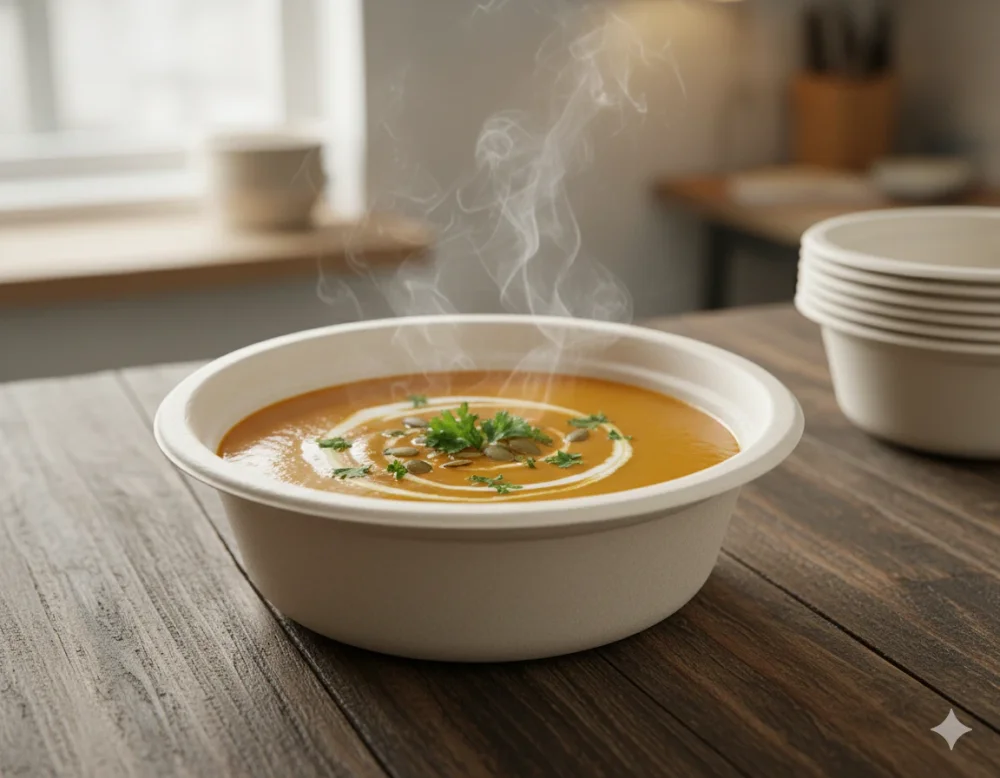
UK Single-Use Plastic Restrictions: A New Import Opportunity for Areca Palm Leaf Tableware
Single-use plastic regulation is reshaping how foodservice buyers source disposable tableware across England and the wider UK market. For restaurants, caterers, event companies and food packaging distributors, the question has shifted entirely.
It is no longer simply about finding the cheapest disposable plate. The better commercial question is: which material can protect your supply chain, satisfy buyer expectations and still perform under real foodservice conditions? That is precisely where areca palm leaf tableware becomes a serious import opportunity, and where importers who move early will build a stronger market position.
Costita view: Costita sees areca palm leaf tableware as more than a plastic substitute. It is a premium, natural and foodservice-ready product that gives importers a stronger commercial story, better margin positioning and a more differentiated catalogue.
Why the Plastic Shift Matters for Importers and Distributors
Regulation does not remove foodservice demand. What it does is redirect it, and that redirection creates a clear commercial opening for importers who understand the shift early. In England, restrictions on single-use plastic items came into force from 1 October 2023, covering single-use plastic cutlery, plates, trays, bowls and certain polystyrene food and drink containers. The GOV.UK single-use plastics guidance also makes an important distinction: some restrictions apply differently depending on whether the item is used directly in foodservice or as packaging for pre-filled food sold at retail.
For UK-facing importers, wholesalers and foodservice distributors, this legislative pressure creates a specific and growing commercial opportunity: build a stronger sustainable tableware portfolio around natural, plastic-free alternatives such as areca palm leaf plates, bowls and serving trays. Restaurants still need plates. Caterers still need bowls. Event companies still need disposable serving solutions. Foodservice distributors still need products that are practical, presentable and repeatable. What changes is the buying filter, and importers who can satisfy that new filter will be better positioned than those who wait.
What foodservice buyers now check before ordering disposables
Buyer
Decision
Material Composition
What is actually in the product
Plastic Content
Including coatings and linings
Food-Contact Fit
Safe for hot, oily and heavy food
Sustainability Claims
Natural and plastic-free verified
Packaging Quality
Transit and shelf presentation
Compliance Risk
End-use regulatory fit
Key regulatory point: GOV.UK guidance includes biodegradable, compostable and recycled plastic within scope if the item is wholly or partly made from plastic, including coatings, linings or additives. A product labelled biodegradable is not automatically the right replacement. Areca palm leaf tableware is made from naturally fallen palm sheaths with no plastic lining, making it a cleaner compliance answer.
Areca Tableware Is Not Just a Compliance Alternative
The biggest mistake importers can make is positioning areca palm leaf plates only as an eco-friendly substitute for plastic. That is an undersell, and it positions the product in a race to the bottom on sustainability credentials rather than a conversation about premium performance. Areca tableware is not just about replacing plastic. It is about upgrading the foodservice experience, giving buyers a product that looks better on the table, holds food better under service conditions and supports a stronger commercial story across restaurants, catering and events.
Plastic plates feel cheap in premium catering environments. Low-grade paper plates soften with moisture and collapse under heavy food. Some moulded fibre products are useful for takeaway packaging but do not always deliver the same natural presentation quality for dine-in, buffet, wedding or event service. Areca palm leaf plates close that gap by offering a product that looks premium, performs well under load and connects naturally with the sustainability positioning that restaurants and caterers are actively building into their service.
For distributors, this matters commercially. They are not only selling a plate. They are selling a better serving experience, one that commands stronger margins, gives sales teams a better product story and gives buyers a reason to upgrade their tableware programme rather than simply replacing one disposable with another.
Why Areca Palm Leaf Plates Offer More Than Compliance
They look premium on the table. The natural texture and earthy finish of areca palm leaf plates create a significantly stronger visual impression than standard white disposables, making them suitable for premium catering environments, hospitality groups and event service where presentation matters.
They hold hot and heavy food reliably. Well-sourced areca palm leaf plates maintain structural integrity under hot meals, oily dishes and heavy catering portions, a performance advantage that paper-based alternatives often cannot match without specialist coatings.
They support a natural, plastic-free product story. Made from naturally fallen areca palm sheaths with no plastic lining or synthetic coating, areca plates give importers and distributors a clean, verifiable sustainability position that stands up to buyer scrutiny and regulatory review.
They give distributors a higher-value product to sell. Instead of competing purely on low-cost disposable stock where margins are thin, areca palm leaf tableware allows distributors to move into a premium tier with better margin potential and a stronger story for sales conversations with restaurants, caterers and event buyers.
How areca tableware creates a stronger commercial cycle
Premium Product
Importer adds areca palm leaf tableware as a differentiated SKU with natural premium appeal
Buyer Upgrade
Restaurants and caterers upgrade from cheap disposables to a product that performs and presents better
Stronger Margin
Higher perceived value allows distributors to command better pricing than standard disposable categories
Repeat Orders
Consistent quality builds buyer loyalty, repeat procurement and a stronger sustainable portfolio position
What the England Single-Use Plastic Rules Mean for Importers
A practical buyer-level summary of the key regulatory points shaping disposable tableware sourcing
What Is Restricted
Single-use plastic cutlery, plates, trays, bowls and certain polystyrene containers are covered under England's rules in force from October 2023. Items covered in foodservice use are the most directly relevant for restaurant and catering distributors.
The Biodegradable Trap
Biodegradable, compostable and recycled plastic items still fall within scope if they are wholly or partly made from plastic, including plastic coatings, linings or additives. Importers must verify material composition carefully before presenting products as compliant alternatives.
The Areca Advantage
Areca palm leaf tableware is manufactured from naturally fallen palm sheaths with no plastic lining or synthetic coating. This gives importers and distributors a cleaner material position that avoids the biodegradable labelling confusion affecting other product categories.
Areca vs Plastic vs Bagasse: A Buyer-Level Comparison
B2B buyers need quick, clear clarity when evaluating alternative disposable tableware. Understanding where areca palm leaf tableware fits relative to standard plastic and moulded bagasse or paper helps importers, distributors and foodservice buyers make faster procurement decisions, and explain their product choices more confidently to their own customers.
The comparison below maps the key differences across material positioning, regulatory fit, structural performance, aesthetic value, commercial use case and importer opportunity. This is not a simple better-or-worse ranking. Each material has a different role in a well-structured sustainable tableware portfolio, and the strongest importers will source across more than one material.
| Feature | Areca Palm Leaf | Standard Plastic | Moulded Bagasse / Paper |
|---|---|---|---|
| Material Positioning | Natural palm sheath, plastic-free when properly sourced | Plastic-based disposable material | Plant fibre-based; buyers should confirm coatings or linings |
| Regulatory Fit (England) | Strong alternative Clean material fit for buyers moving away from plastic | Restricted Banned or restricted across several foodservice use cases | Verify first Generally suitable; confirm coating and end-use compliance |
| Structural Integrity | High rigidity; suitable for hot, heavy and oily food when quality is good | Strong, but under regulatory and brand pressure | Good for takeaway; can soften under high moisture |
| Aesthetic Value | Premium natural texture; strong for events and hospitality | Low-cost, industrial appearance | Clean and functional, but more utility-grade |
| Best Commercial Use | Premium catering, restaurants, events, dine-in upgrades | Legacy low-cost disposable use only | High-volume takeaway, delivery boxes and food containers |
| Price Positioning | Higher perceived value; stronger premium margin opportunity | Low-cost but declining acceptance | More cost-efficient for high-volume takeaway |
| Importer Advantage | Differentiated, premium catalogue product | Weak long-term category position | Useful alongside areca for complete portfolio |
Portfolio strategy: The right approach is not areca versus bagasse. For many importers, the stronger strategy is areca plus bagasse: areca for premium catering, restaurant plating, weddings and events; bagasse for takeaway containers, delivery boxes and high-volume food packaging. Together, they allow distributors to build a more complete and competitive eco-friendly disposables portfolio.
Why Restaurants and Caterers Are Strong Buyers for Areca Plates
Restaurants and catering companies do not buy tableware for theory or regulatory compliance statements. They buy it because it must work in service, under pressure, under heat, under handling and in front of customers. A plate must hold food without bending. A bowl must handle moisture from sauces or soups without losing structure. A tray must survive loading, stacking and movement across a busy catering operation. The product must look good when it reaches the customer and arrive in usable condition after transit and storage in the distributor's warehouse.
This is why areca palm leaf plates are directly relevant for premium catering companies, wedding and event caterers, buffet service providers, outdoor food festivals, eco-conscious restaurants, hospitality groups, foodservice distributors and corporate catering suppliers. Areca is especially useful in settings where the tableware is visible to the customer, where the plate is part of the service experience and not just a functional container. A natural palm leaf plate creates a noticeably different visual impression compared with standard white disposables or low-grade plastic alternatives, and that visual difference creates commercial value for importers and the buyers they serve.
For UK-facing distributors, this translates into a product that can genuinely drive upsell conversations with catering accounts and differentiate a tableware range from the commodity disposable suppliers that still dominate most wholesale catalogues. The more clearly importers can communicate areca's foodservice performance, not just its eco credentials, the stronger the sales case becomes.
The foodservice buyer ecosystem areca palm leaf tableware serves
Areca Palm
Leaf Plates
Premium Catering
High-end events and corporate catering
Wedding Caterers
Presentation-critical service settings
Buffet Providers
Self-service and live station formats
Eco Restaurants
Sustainability-led dine-in operations
Food Festivals
Outdoor and street food events
Hospitality Groups
Hotels, resorts and leisure venues
Foodservice Distributors
Wholesale and B2B supply channels
Corporate Catering
Office and institutional feeding
For importers planning bulk procurement: understanding your end buyer's use case determines which product specification, size range, shape and packaging format you should prioritise. Read our guide on how restaurants and catering companies source areca palm leaf plates in bulk.
Why India Is a Strong Source for Areca Palm Leaf Tableware
India has a natural and structural advantage in areca palm leaf tableware because the raw material supply is directly connected to established areca-growing regions and manufacturing clusters with years of production experience. The manufacturing process is straightforward in concept: naturally fallen areca palm sheaths are collected, cleaned, dried, heat-pressed into shapes, trimmed and packed for distribution, but quality-sensitive in execution. Drying consistency, pressing pressure, trimming precision and moisture control at the packing stage all directly affect the product that arrives at the importer's warehouse.
For importers, India's sourcing advantage comes from four interconnected areas: raw material availability that keeps procurement costs stable, manufacturing experience that supports consistent product quality across large orders, a wide product variety that allows importers to source plates, bowls, compartment plates and serving trays from single supplier networks, and export-oriented supplier setups that are familiar with documentation, container packing and international buyer requirements.
The supplier choice still matters significantly, however. Natural tableware requires careful drying, pressing, trimming, packing and moisture control throughout the production process. Poor-quality sourcing leads to breakage during transit, uneven surface finish, weak structural performance or inadequate carton protection. Importers who focus only on achieving the lowest unit price without checking product consistency, sample quality, carton strength and supplier reliability typically encounter the real cost of that decision at the destination through claims, downgrades or lost buyer confidence. Costita helps simplify this process by connecting buyers with suitable product options, supplier coordination and export procurement support from India.
How areca palm leaf tableware moves from India to global buyers
Raw Material Collection
Naturally fallen areca palm sheaths are collected from growing regions across India's areca-producing states
Cleaning, Drying and Pressing
Sheaths are cleaned, dried and heat-pressed into product shapes. This stage determines structural strength and surface quality
Trimming, Grading and Packing
Products are trimmed, graded, packed into cartons with inner protection and prepared for export with correct documentation
Export and Delivery
Containers are loaded, shipped and delivered to importer warehouses with export documentation and compliance paperwork
Importer note: quality in areca tableware is determined at every stage of this cycle. Importers should request samples before committing to bulk orders and verify drying quality, surface finish, carton strength and structural performance under food-contact conditions.
India's Four Sourcing Advantages for Areca Tableware Importers
Raw material availability that supports stable procurement. India's areca-growing regions provide consistent raw material supply across the production season, giving importers more predictable procurement timelines and reducing the sourcing uncertainty that affects products dependent on agricultural commodity cycles.
Manufacturing experience built across established export clusters. India has developed significant experience in areca palm leaf tableware manufacturing, with supplier networks familiar with international buyer requirements around product consistency, carton packing, export documentation and quality control.
Wide product variety that allows importers to build a complete SKU range. Importers sourcing from India can access round plates, square plates, bowls, compartment plates and serving trays across multiple size and weight specifications, making it practical to build a structured tableware portfolio from a single sourcing market.
Export-oriented supplier networks that understand international trade requirements. Many Indian areca tableware manufacturers have experience working with global buyers, making them more capable of meeting international packaging standards, documentation requirements and MOQ flexibility that smaller importers need when building a new product category.
What Importers Should Confirm Before Placing a Bulk Order
Areca palm leaf tableware is a natural product. A proper sourcing checklist protects margins and prevents costly destination-side quality failures
Product Specification
- Product size, shape and depth match buyer use case
- Plate thickness and wall strength confirmed
- Surface finish and cleanliness checked via sample
- Moisture control and drying quality verified
- Suitability for hot, oily and saucy food tested
Documentation and Compliance
- Food-contact documentation requirements met
- Export documentation and phytosanitary requirements
- Private labelling or custom packaging capability
- MOQ and mixed-SKU options confirmed
- Supplier consistency for repeat orders assessed
Transit and Logistics
- Carton packing and inner protection suitable for sea transit
- Pallet design and stacking load checked
- Container planning and shipment timeline confirmed
- Transit stability under temperature and humidity assessed
- Arrival quality standards agreed with supplier
Sourcing principle: a low-cost order is not useful if the plate bends, the finish looks poor, the cartons arrive weak or the product does not match the buyer's use case. For foodservice buyers, reliability matters as much as sustainability. Costita can help importers coordinate these details before scaling orders.
Product Categories Importers Can Build Around This Demand
The strongest import opportunity in this category is not one single SKU. It is a structured, sustainable tableware category that gives distributors multiple product options across different use cases, price points and buyer types. Importers who build a complete eco-friendly disposables portfolio will have a stronger commercial position than those who offer only one or two products and compete purely on cost within a narrow segment.
A well-structured portfolio also supports better internal linking across your sales and marketing materials, allowing buyers to move between complementary product pages, understand the difference between areca and bagasse, and self-select the right product for their specific use case without needing a lengthy sales conversation for every order. This inbound cluster approach is how Costita structures its product and content ecosystem to help global buyers find, evaluate and procure the right sustainable foodservice products from India.
The complete product ecosystem importers can build
Eco-Friendly
Disposables
Portfolio
Areca Palm Leaf Range
Round Plates
Square Plates
Bowls
Compartment Plates
Serving Trays
Complementary Eco-Disposables Range
Bagasse Plates & Bowls
Bagasse Takeaway Containers
Kraft Paper Food Packaging
Eco Disposable Cutlery
Foodservice Accessories
Internal cluster: this blog sits within a wider content ecosystem connecting to Costita's areca disposables, sugarcane bagasse disposables and eco-friendly disposables category pages, giving buyers a structured path from discovery to procurement.
The Importer Opportunity: Move Before the Category Gets Crowded
Single-use plastic restrictions create pressure across the foodservice and disposable tableware supply chain, but regulatory pressure alone does not create profit. Importers need the right product mix, the right supplier base and the right buyer education to convert market disruption into commercial opportunity. The businesses that will benefit most are not the ones that wait for the market to settle. They are the ones that build a credible, reliable sustainable tableware supply capability before the category becomes crowded with generic eco-products from undifferentiated suppliers.
For UK-facing buyers, the timing is especially strong. Restaurants, caterers and distributors are actively reviewing their disposable product choices, driven by a combination of regulatory requirements, sustainability commitments, customer expectations and buyer scrutiny at the purchasing stage. Importers who can offer areca palm leaf tableware with clear product specifications, reliable supply, proper documentation and strong buyer support will be positioned as premium, dependable sources rather than one of many generic eco-alternatives competing primarily on price.
Areca palm leaf tableware gives importers a stronger and more complete commercial story: it is natural, visually premium, practical for foodservice, suitable for restaurants, caterers and events, compatible with plastic-free procurement conversations and sourceable from India in bulk with the right supplier coordination. The product has the material quality to command better margins, the visual appeal to support premium sales positioning and the foodservice performance to satisfy buyers who need more than a compliance solution.
Why importers who act early will hold a stronger position
Build Supply Now
Identify suppliers, confirm specifications and establish sourcing relationships before peak market demand
Educate Buyers
Help restaurant and catering buyers understand why areca outperforms alternatives for premium service
Win Category Position
Establish yourself as a reliable premium source before competitors flood the category with undifferentiated products
Scale with Confidence
Repeat orders, strong supplier relationships and buyer loyalty compound into a sustainable import business
How Costita Supports Areca Tableware Importers
Costita helps global buyers source export-ready products from India with better procurement clarity at every stage of the sourcing process. For areca palm leaf tableware, this means helping importers move from early-stage product interest through to confirmed supplier selection, specification verification, sample ordering, bulk procurement planning and ongoing shipment coordination, with support across the full journey rather than just at the initial product discovery stage.
This support is especially valuable for importers who are new to areca palm leaf tableware sourcing, those building a sustainable disposables category for the first time, or established importers expanding into natural tableware from a primarily plastic or paper-based product range. Many buyers need more than a product catalogue. They need help moving from interest to execution: navigating supplier conversations, understanding realistic MOQs, planning mixed-SKU assortments, checking packaging suitability for destination markets and coordinating documentation for smooth customs clearance.
What Costita Can Support
Product Selection
- Product shortlisting and specification review
- Areca vs bagasse comparison for your buyer mix
- Sample order planning and quality checks
- Mixed product assortment planning
Supplier Management
- Bulk MOQ discussion and negotiation
- Supplier coordination and relationship management
- Packaging requirement checks for your market
- Private label and custom packaging support
Execution Support
- Export documentation flow and compliance
- Shipment planning and container coordination
- Repeat sourcing and order scaling support
- Ongoing supplier performance monitoring
Costita view: whether you are a UK foodservice distributor, an eco-packaging wholesaler, a catering supplier or an importer building a sustainable tableware portfolio from scratch, Costita can help you source areca palm leaf tableware from India with greater commercial confidence and less procurement uncertainty.
The Shift Away From Plastic Is a Sourcing Opportunity, Not Only a Compliance Problem
The move away from single-use plastic disposables in English foodservice is not only a regulatory story. It is a live sourcing opportunity for importers, wholesalers and distributors who can move quickly, build the right supplier relationships and offer buyers a clear, reliable alternative. Foodservice buyers still need practical, presentable and repeatable disposable tableware. What they do not need is more uncertainty around plastic content, poor-quality eco-alternatives or weak supply planning.
Areca palm leaf tableware gives importers a stronger, more complete commercial answer to that need. It combines natural material value with real foodservice performance and premium presentation quality. For restaurants, caterers and event companies, it offers more than compliance. It offers a genuinely better serving experience. For importers and distributors, the opportunity is clear: build a stronger sustainable disposables portfolio with the right product mix, sourcing discipline and buyer education, and do so before the market becomes crowded.
Costita helps global buyers source Indian areca palm leaf tableware with an export-ready mindset, focused on product quality, supplier reliability, packaging suitability and confident trade execution from India to your destination market.
FAQ: Areca Palm Leaf Tableware for UK Importers
Is areca palm leaf tableware suitable for UK foodservice buyers?
Yes. Areca palm leaf tableware is suitable for many UK-facing foodservice buyers looking for natural, plastic-free alternatives to disposable plates, bowls and serving products. Because areca is made from naturally fallen palm sheaths without plastic coating or lining, it avoids the material compliance issues that affect some biodegradable or compostable alternatives. Importers should still verify product specifications, food-contact requirements and their specific buyers' compliance expectations before distribution.
Is areca better than bagasse for restaurants?
Areca is generally stronger for premium presentation, catering, events and dine-in service because of its natural texture, visual appeal and higher perceived value in front of customers. Bagasse is often more cost-efficient and format-flexible for high-volume takeaway containers and delivery packaging. For most importers, the stronger commercial approach is to offer both materials to cover different buyer use cases and price points. View Costita's sugarcane bagasse disposables range.
Can areca palm leaf plates hold hot food?
Well-sourced, properly produced areca palm leaf plates are commonly used for hot meals, oily food and heavy catering portions in professional foodservice settings. The structural performance depends on plate thickness, pressing quality, shape depth and moisture control during manufacturing. Buyers should always check these specifications through sample orders before committing to bulk procurement to ensure the product performs under their specific service conditions.
Why should importers source areca tableware from India?
India offers strong raw material availability, established manufacturing experience, wide product variety and export-oriented supplier networks for areca palm leaf tableware. This combination makes India a practical, cost-effective sourcing market for bulk areca plates, bowls and serving products. Importers benefit from being able to source a complete tableware SKU range from a single market with suppliers experienced in international export documentation and buyer requirements.
What should importers check before ordering areca tableware in bulk?
Importers should verify product size, shape, thickness and surface finish; confirm suitability for hot, oily and heavy food through sample testing; check moisture control and drying quality; review carton packing and inner protection for sea transit; confirm MOQ, mixed-SKU flexibility, food-contact documentation and export compliance requirements; and assess supplier consistency for repeat orders. Read the bulk sourcing guide.
How does Costita help importers source areca palm leaf tableware?
Costita supports importers with product shortlisting, supplier coordination, MOQ discussion, specification checks, sample planning, packaging review, export documentation support and shipment coordination. This is designed to help importers move from initial product interest to confirmed bulk orders with greater confidence and fewer procurement surprises, particularly useful for buyers who are new to Indian natural tableware sourcing or expanding an existing eco-friendly disposables portfolio.
Ready to source areca palm leaf tableware from India?
Costita structures procurement for importers who need product quality, supplier reliability and export-ready execution, not just a price per carton. Contact the Costita team to request a custom bulk sourcing quote or order a sample kit of export-ready areca palm leaf tableware from India.
Costita Supports
- ✓ Product specification and sample review
- ✓ Supplier coordination and MOQ planning
- ✓ Export documentation and compliance
- ✓ Shipment planning and repeat orders
Related Reading
UK Single-Use Plastic Restrictions: A New Import Opportunity for Areca Palm Leaf Tableware
A focused guide on how England's single-use plastic restrictions are changing tableware sourcing and creating a stronger opening for natural alternatives.
How Restaurants and Catering Companies Source Areca Palm Leaf Plates in Bulk
A practical guide to MOQ planning, sample checks, carton packing, supplier selection, documentation and freight planning for bulk areca tableware orders.